From Calcium to Polyurea Exploring the Essential Ingredients of Industrial Lubricants
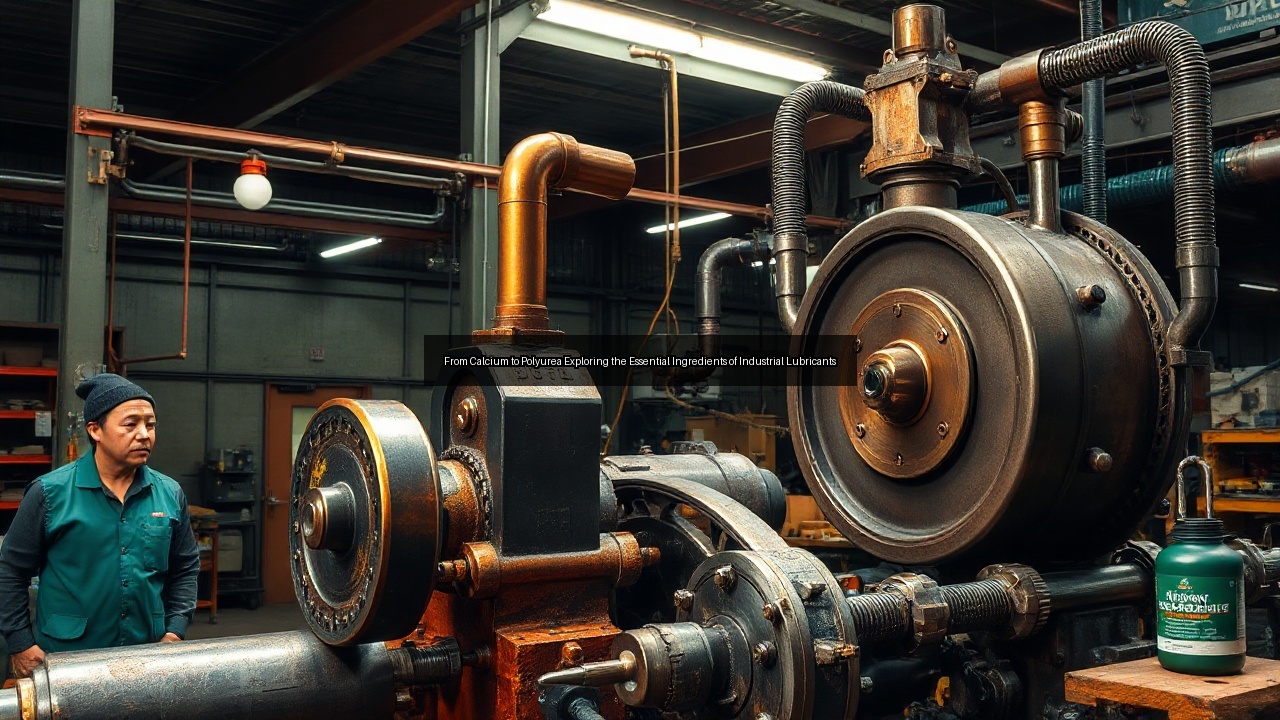
Understanding Industrial Grease Composition
Base Oils: The Foundation of Industrial Lubricants
Industrial grease relies on base oil as its primary component to deliver effective lubrication across demanding environments. Manufacturers select mineral or synthetic base oils based on viscosity needs and operational demands in engineering settings. These oils form the continuous phase that carries thickeners and additives throughout the lubricant matrix. Proper base oil choice directly influences how grease performs under varying loads and speeds in machinery. Engineers often prefer high-quality mineral base oils for cost-effective applications while turning to synthetics when extreme conditions arise. The base oil determines flow characteristics and film strength that protect components from direct metal-to-metal contact. Industrial grease formulations adjust base oil percentages to achieve desired consistency without compromising other properties. This foundation enables reliable performance in pumps, bearings, and gears where consistent lubrication prevents premature wear. Base oil quality affects overall product stability and compatibility with seals and metals commonly found in industrial equipment.
Thickeners: The Role of Calcium, Lithium, and Polyurea
Thickeners transform liquid base oils into semi-solid greases that stay in place during operation. Calcium thickeners provide excellent water resistance for outdoor machinery exposed to moisture. Lithium thickeners deliver strong mechanical stability and wide temperature ranges in lithium-based grease products. Polyurea thickeners excel in high-speed applications where low noise and extended life matter most. Each thickener type interacts differently with base oil to create the final grease structure. Calcium offers good pumpability in cold conditions while lithium handles heavy loads effectively. Polyurea provides superior oxidation resistance without metallic soap residues. Formulators balance thickener concentration to meet specific nlgi grades and application requirements. The choice between calcium, lithium, and polyurea affects everything from dropping point to compatibility with other lubricants. Proper thickener selection ensures industrial grease maintains its structure under continuous shear and vibration.
Additives: Enhancing Properties with Clay and Fumed Silica
Additives fine-tune industrial grease performance beyond what base oil and thickener provide alone. Clay serves as an inorganic thickener alternative in applications requiring high temperature stability without melting issues. Fumed silica creates non-melting structures ideal for extreme pressure environments in heavy equipment. These materials work alongside antioxidants, corrosion inhibitors, and extreme pressure agents to extend service intervals. Engineers incorporate clay and fumed silica to improve adhesion and prevent softening under load. Additive packages address specific challenges like oxidation and wear in industrial lubricants. Clay-based greases resist water washout effectively in wet processing plants. Fumed silica enhances clarity and consistency in food-grade or high-speed formulations. The right additive blend optimizes grease for particular machinery while maintaining compatibility across different operating conditions. Industrial grease performance improves dramatically when additives target known failure modes in bearings and sliding surfaces.
Critical Properties of Industrial Greases
Water Resistance: Protecting Machinery from Corrosion
Water resistance determines how well industrial grease maintains its protective film when moisture enters the system. Calcium-based formulations resist emulsification and maintain adhesion on wet surfaces better than many alternatives. Effective water resistance prevents corrosion that leads to pitting and eventual component failure in machinery. Operators select greases with proven water resistance for marine equipment, paper mills, and outdoor conveyors. Testing shows how quickly grease loses consistency after water contamination occurs. Strong water resistance extends relubrication intervals and reduces unplanned downtime in industrial settings. Calcium thickeners contribute natural water-shedding properties that protect wire rope and exposed bearings. Proper water resistance also limits rust formation on steel surfaces under humid or washdown conditions. Industrial grease with superior water resistance supports continuous operation where other lubricants fail rapidly.
Oxidation Stability: Ensuring Longevity
Oxidation stability governs how long industrial grease lasts before chemical breakdown occurs at elevated temperatures. Polyurea thickeners resist oxidation better than traditional soaps, extending service life in sealed bearings. Antioxidants added during formulation slow the reaction between oxygen and base oil components. Poor oxidation stability leads to hardening, varnish formation, and loss of lubrication effectiveness. Engineers monitor oxidation through laboratory tests that simulate long-term aging in machinery. Lithium-based grease often requires additional antioxidants when operating near its upper temperature limit. Oxidation products increase friction and generate heat that accelerates further degradation. High oxidation stability allows extended drain intervals and reduced maintenance costs in continuous process industries. Industrial grease designed for longevity maintains its original properties despite repeated exposure to air and heat.
Temperature Tolerance: Performance Under Extreme Conditions
Temperature tolerance defines the operating window where industrial grease delivers consistent lubrication without thinning or hardening excessively. Lithium thickeners handle temperatures from -20°C to 120°C in most applications. Calcium greases perform well at moderate temperatures but soften above 80°C in many cases. Polyurea options extend performance into higher temperature ranges without melting. Temperature directly affects base oil viscosity and thickener structure inside the grease. Machinery operating near ovens or in arctic environments requires specialized temperature-tolerant formulations. Additives like clay improve high-temperature stability when lithium or calcium reach their limits. Proper temperature tolerance prevents grease from being squeezed out of bearings under thermal expansion. Industrial grease selection always considers both minimum and maximum temperatures encountered during startup and peak load conditions.
Classification of Industrial Greases
NLGI Grades: Understanding Consistency Levels
NLGI grades classify industrial grease consistency from grade 000 for fluid applications to grade 6 for very stiff products. Most machinery uses grades 1 through 3 depending on speed, load, and application method. Lower NLGI grades flow more easily into centralized lubrication systems while higher grades stay in place under vibration. Engineers match NLGI grades to equipment requirements to avoid over- or under-lubrication. Grade 2 remains the most common choice for general industrial grease applications. NLGI classification helps standardize products across different manufacturers and regions. Consistency affects pumpability, sealing ability, and resistance to leakage in operating equipment. Industrial grease producers test each batch to confirm it meets the target NLGI grade specification. Proper grade selection ensures optimal film thickness without excessive channeling or drag on moving parts.
Types of Grease: Lithium vs. Calcium vs. Aluminum
Lithium grease offers balanced performance and wide availability for general industrial use. Calcium grease provides superior water resistance at lower cost for wet environments. Aluminum complex greases deliver high temperature stability and good adhesion in heavy load applications. Each type carries distinct advantages based on thickener chemistry and base oil interaction. Lithium-based grease dominates the market due to its versatility and mechanical stability. Calcium remains preferred where water exposure is constant and temperatures stay moderate. Aluminum complex options suit high-speed spindles and food processing equipment requiring frequent washdowns. Formulators adjust each type to meet specific nlgi grades and additive requirements. Industrial grease buyers compare these types against operating conditions before final selection.
Specialty Greases: Sulfonate and Hydroxy Variants
Sulfonate greases combine calcium sulfonate thickeners with excellent extreme pressure and corrosion protection. Hydroxy variants incorporate hydroxy fatty acids to enhance mechanical stability in lithium complex products. These specialty options address applications where standard lithium, calcium, or aluminum greases fall short. Sulfonate technology provides inherent rust protection without heavy reliance on additives. Hydroxy-stearate thickeners improve dropping points and load-carrying capacity in demanding environments. Specialty greases often serve wire rope lubrication and steel mill applications requiring superior performance. Industrial grease manufacturers develop these variants to solve specific engineering challenges in harsh conditions. Sulfonate and hydroxy formulations extend equipment life where conventional products require frequent replacement.
Applications of Industrial Greases in Engineering
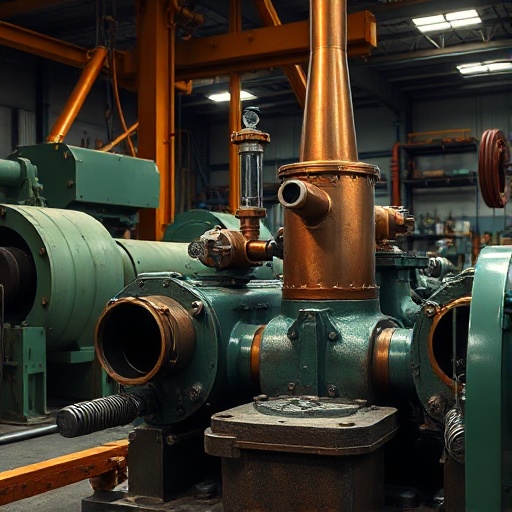
Grease Applications in Heavy Machinery
Grease applications in heavy machinery focus on protecting large bearings, gears, and sliding surfaces from wear. Industrial grease must withstand high loads and contamination common in mining, construction, and manufacturing equipment. Proper lubrication reduces friction and dissipates heat generated during continuous operation. Engineers apply grease through manual or automatic systems to reach remote lubrication points. Heavy machinery often requires NLGI grade 2 or 3 products with extreme pressure additives. Regular grease applications prevent costly failures in excavators, crushers, and rolling mills. Industrial grease selection considers operating hours, environmental exposure, and accessibility for relubrication. Effective programs track consumption rates to optimize intervals and prevent both under- and over-greasing.
The Importance of Lubrication in Wire Rope Systems
Lubrication in wire rope systems prevents internal strand friction and external abrasion that shorten service life. Industrial grease penetrates between wires while forming a protective outer coating against moisture and dirt. Calcium-based products with strong water resistance perform well on cranes and elevators exposed to weather. Proper lubrication reduces bending stresses and corrosion that cause premature wire breakage. Maintenance teams apply grease during installation and at scheduled intervals based on usage intensity. Wire rope lubrication also quiets operation and improves flexibility under dynamic loads. Industrial grease formulated for wire rope must balance penetration and adhesion without fling-off. Regular lubrication extends replacement intervals and improves safety in lifting and hoisting applications.
Pressure and Load Considerations in Industrial Settings
Pressure and load considerations guide industrial grease selection for equipment operating under extreme forces. High-pressure applications require greases with robust extreme pressure additives and higher NLGI grades to maintain film integrity. Load capacity depends on thickener type, base oil viscosity, and additive chemistry working together. Engineers evaluate contact pressures in bearings and gears before specifying a particular grease. Industrial grease must resist squeeze-out while providing cushioning under shock loads. Proper pressure handling prevents metal fatigue and scoring that lead to early component replacement. Load considerations also influence relubrication frequency in continuous high-pressure environments. Industrial grease formulated for heavy loads supports reliable operation in presses, gearboxes, and hydraulic cylinders.
See Also
- Understanding NLGI Grades and Their Impact on Industrial Grease Selection
- Unlocking the Secrets of Industrial Grease for Optimal Machinery Performance
- The Science Behind Water Resistance in Industrial Greases and Their Applications
- Innovative Grease Solutions for High-Pressure Environments in Engineering Applications