Design Innovations in Gearbox Technology for Enhanced Longevity
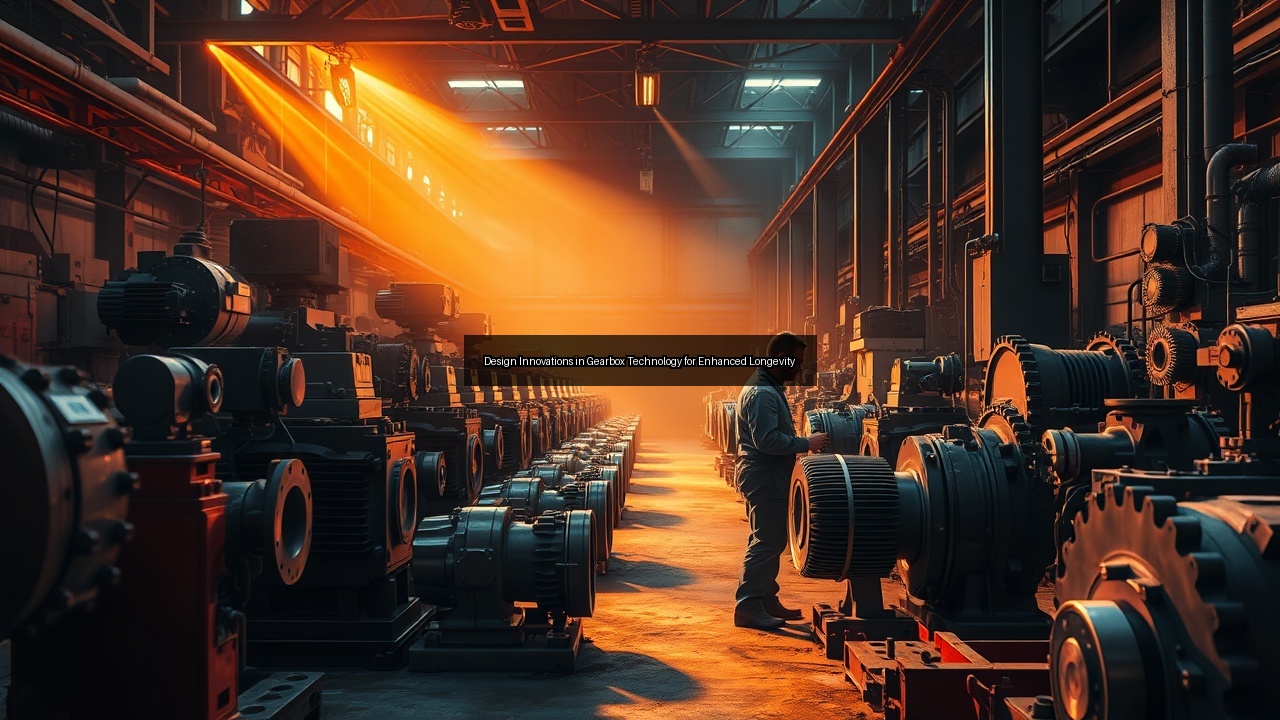
Advancements in Gearbox Design for Enhanced Performance
Innovative Gear Configurations
Modern engineering continually pushes the boundaries of gearbox design to enhance performance and longevity. Innovative gear configurations, such as planetary gears and bevel gears, play a crucial role in optimizing power transmission efficiency. Planetary gear systems distribute load evenly across multiple gears, reducing stress on individual components. This design minimizes wear and tear, ultimately extending the gearbox's operational lifespan. Bevel gears, on the other hand, allow for the transfer of motion between shafts at varying angles, which increases flexibility in design and application.
Moreover, advancements in computer-aided design (CAD) software have enabled engineers to simulate and analyze gear performance under various conditions. This technology allows for the identification of potential weaknesses in gear configurations before production, leading to more robust designs. As industries demand greater efficiency, these innovative configurations contribute significantly to reducing energy consumption, lowering operational costs, and improving overall system reliability.
The Role of Worm Gear in Modern Gearboxes
Worm gears have gained prominence in modern gearbox technology due to their unique advantages in power transmission. These gears consist of a worm (a screw-like component) and a worm wheel, which engage to provide high torque reduction in a compact design. The ability to achieve a significant speed reduction makes worm gears ideal for applications requiring precise control and high mechanical advantage.
Additionally, worm gears operate with a high degree of efficiency while minimizing the risk of back-driving, which enhances the stability of the system. The self-locking nature of worm gears ensures that machinery remains in position even when not actively engaged, reducing potential downtime. Engineers leverage these benefits to design gearboxes that withstand heavy loads and operate smoothly while maintaining longevity. As industries evolve, the integration of advanced materials and coatings in worm gear production further enhances durability and resistance to wear, solidifying their role in modern power transmission systems.
Reducing Vibration for Improved Efficiency
Vibration poses a significant challenge in gearbox operation, adversely affecting efficiency and longevity. Engineers have developed several strategies to mitigate vibrations in gearboxes. The implementation of advanced vibration-damping materials and isolation mounts helps absorb shock and reduce resonance, which protects the integrity of gears. Proper alignment during installation is crucial; misalignment leads to excessive vibration, increased wear, and potential gearbox failures.
Regular monitoring of vibration levels through advanced diagnostic tools allows maintenance teams to identify issues early. Vibration analysis helps pinpoint specific problems, such as imbalanced gears or misalignment, enabling timely corrective actions. By prioritizing vibration reduction techniques, industries can ensure smoother operation, enhance efficiency, and extend the lifespan of their gearboxes, effectively minimizing the need for costly repairs and downtime.
Key Factors Impacting Gearbox Longevity
Environmental Considerations in Gearbox Maintenance
The environment in which gearboxes operate significantly impacts their longevity. Factors such as temperature, humidity, and exposure to corrosive materials can accelerate wear and tear. High temperatures can degrade lubricants, reducing their effectiveness and leading to increased friction between gears. Conversely, low temperatures can cause lubricants to thicken, impairing their ability to flow and protect moving parts.
Industries must assess environmental conditions when implementing industrial gearbox maintenance routines. Protective enclosures or climate control can mitigate adverse environmental effects. Additionally, regular inspections and maintenance schedules become essential in these cases. By understanding the environmental factors at play, engineers can design gearboxes that incorporate materials and features resistant to specific challenges, ultimately enhancing performance and extending service gearbox maintenance for industry life.
Impact of Dust and Contaminants on Gear Performance
Dust and other contaminants pose significant threats to gearbox performance and longevity. Particles can infiltrate the gearbox, leading to abrasive wear on gears and bearings. This contamination can result in increased friction, heat generation, and ultimately, premature failures. Implementing effective sealing solutions becomes crucial in protecting gearboxes from external debris.
Regular cleaning and maintenance are vital in environments where dust and contaminants are prevalent. Industrial gearbox maintenance routines should include checks for seal integrity and the implementation of filtration systems. The use of high-quality lubricants with additives that resist contamination can also enhance the gearbox's ability to operate effectively in challenging conditions. By prioritizing cleanliness and contamination control, industries can significantly improve gearbox efficiency and lifespan.
Torque and Speed: Balancing Efficiency and Longevity
Finding the right balance between torque and speed is critical for optimizing gearbox performance. High torque applications require robust gear design to withstand the forces involved, while speed affects the operational efficiency of the gearbox. Engineers must carefully analyze the intended application to ensure the gearbox can handle both factors without compromising longevity.
Overloading gearboxes can lead to accelerated wear, heating, and potential failures. Therefore, selecting appropriate gearing and reducer ratios is essential for maintaining efficiency while safeguarding against excessive strain. Routine maintenance that includes monitoring load conditions and performance metrics helps identify any deviations from optimal operation, enabling timely interventions. By striking the right balance, industries can achieve prolonged gearbox service life and minimize downtime associated with failures.
Best Practices for Industrial Gearbox Maintenance
Routine Maintenance Protocols
Establishing routine maintenance protocols is fundamental to ensuring the longevity of industrial gearboxes. Regular inspections should include checking for signs of wear, leaks, and unusual noises that may indicate potential issues. Creating a documented maintenance schedule helps technicians stay organized and ensures that essential tasks are not overlooked.
Technicians should also monitor operating conditions such as temperature and vibration levels, which can provide insights into the gearbox's health. Implementing predictive maintenance practices, such as condition monitoring, can identify potential failures before they occur, allowing for proactive interventions. This approach not only extends gearbox life but also reduces unexpected downtime and repair costs.
Lubrication Techniques for Optimal Operation
Effective lubrication is crucial for optimal gearbox operation and longevity. Selecting the right lubricant based on the specific application and environmental conditions is vital. Lubricants should possess the appropriate viscosity and additives to minimize friction and prevent wear. Regularly scheduled lubrication checks ensure that gearboxes remain adequately lubricated throughout their operational life.
Implementing automated lubrication systems can enhance consistency and efficiency in maintenance routines. These systems deliver precise amounts of lubricant at predetermined intervals, reducing the risk of over-lubrication or under-lubrication. Proper lubrication techniques not only enhance gear performance but also contribute to a significant reduction in maintenance needs.
Identifying Early Signs of Gearbox Failures
Early identification of gearbox failures can prevent costly downtime and extensive repairs. Technicians should be trained to recognize the warning signs that indicate potential issues. Unusual noises, increased vibration, and changes in operating temperature often signal that something is amiss within the gearbox.
Regular diagnostic testing, including vibration analysis and thermographic inspections, allows for the early detection of abnormalities. Additionally, maintaining open lines of communication with operators can provide valuable insights into the gearbox's performance and any perceived changes. By fostering an environment that prioritizes proactive maintenance, industries can effectively extend the service life of their gearboxes.
The Future of Gearbox Technology in Power Transmission
Emerging Trends in Gear Design and Engineering
The future of gearbox technology holds exciting prospects as engineers explore emerging trends in gear design and engineering. Innovations such as 3D printing offer the potential for creating complex gear geometries that traditional methods cannot achieve. This technology can lead to lighter, stronger gears that enhance overall performance and durability.
Additionally, advances in materials science are paving the way for the development of gearboxes that can withstand harsher environments and higher loads. Composite materials and industrial gearbox service advanced alloys are becoming more prevalent, offering improved resistance to wear and corrosion. As industries continue to evolve, these trends will shape the future of gearbox technology, driving improvements in efficiency and longevity across various applications.
Role of Engineers in Innovative Maintenance Solutions
Engineers play a pivotal role in developing innovative maintenance solutions for industrial gearboxes. Their expertise in design, materials, and operational dynamics allows them to create strategies that enhance durability and efficiency. By leveraging data analytics and condition monitoring systems, engineers can develop predictive maintenance models that optimize operational performance.
Collaboration between engineers and maintenance teams fosters a culture of continuous improvement. By sharing insights and experiences, they can refine maintenance protocols and implement best practices that drive efficiency gains. As the industry shifts toward more automated and data-driven approaches, engineers will remain at the forefront of innovations that enhance gearbox maintenance and performance.
Case Studies: Successful Gearbox Innovations
Examining case studies of successful gearbox innovations illuminates the impact of design advancements on performance and longevity. For instance, a leading manufacturing company implemented a new gearbox design featuring advanced materials and optimized gearing ratios. This innovation resulted in a 30% increase in efficiency and a significant reduction in maintenance needs.
Another case study highlighted the integration of smart sensors in gearbox systems, enabling real-time monitoring of performance metrics. This technology allowed operators to identify potential failures before they escalated, reducing downtime and repair costs. These examples showcase how targeted innovations in gearbox technology drive improvements in power transmission, making a direct impact on operational efficiency and sustainability.